
A Class Immigration and Education Consultants

Everything You Need to Know About the Permanent Partner Visa 801 in Australia

Everything You Need to Know About the Permanent Partner Visa 801 in Australia

Everything You Need to Know About the Permanent Partner Visa 801 in Australia

Are you planning to join your partner in Australia permanently? The Permanent Partner Visa (subclass 801) is the final step for partners or spouses of Australian citizens, permanent residents, or eligible New Zealand citizens who want to live in Australia indefinitely. At A Class Immigration and Education Consultants, we explain the requirements, benefits, and application steps so you can move forward with clarity and confidence.

What is the Permanent Partner Visa 801?

The Permanent Partner Visa (subclass 801) is granted to applicants who have already applied for, and hold, the temporary Partner Visa (subclass 820). The 801 visa allows successful applicants to live in Australia permanently, with full rights to work and study, access Medicare, and take steps toward Australian citizenship when eligible.

Key Benefits of the Permanent Partner Visa 801

  • Permanent residency: Live in Australia indefinitely.
  • Work and study: Full work and study rights without restriction.
  • Healthcare: Access to Australia’s public healthcare system, Medicare.
  • Family sponsorship: Ability to sponsor eligible relatives for permanent residency.
  • Social security: Access to certain social security payments (subject to eligibility).
  • Citizenship pathway: Eligibility to apply for Australian citizenship after meeting residency requirements.

Eligibility Requirements

To be considered for the Permanent Partner Visa 801 you must first hold the temporary Partner Visa 820 (applied for together in most cases). In addition, you must meet several requirements, including:

Relationship Requirements

  • Married or de facto: You must be legally married to, or in a de facto relationship with, your Australian partner. De facto relationships usually require evidence of living together for at least 12 months.
  • Genuine and continuing relationship: You must demonstrate that your relationship is genuine, continuing, and committed.
  • Shared life evidence: Proof of shared financial arrangements, household duties, social recognition as a couple, and mutual commitment.

Sponsorship

  • Sponsor eligibility: Your partner must be an Australian citizen, Australian permanent resident, or eligible New Zealand citizen.
  • Sponsorship obligations: The sponsor agrees to support you, which may include financial assistance and providing accommodation for the first two years.

Health and Character

  • Health checks: You must meet health requirements which may include medical examinations.
  • Character checks: Provide police clearance certificates from countries you have lived in to show good character.

The Application Process

Applying for the Permanent Partner Visa 801 is generally part of the combined partner visa application process. Below is an overview of the typical steps:

Step 1: Apply for the Temporary Partner Visa 820

You usually lodge a combined application for subclass 820 (temporary) and subclass 801 (permanent). Holding or being accepted for the 820 is a prerequisite for the 801.

Step 2: Wait for Eligibility

Generally you must wait about 2 years from the date of your 820 application for the Department of Home Affairs to assess your ongoing eligibility for the 801 visa. During this period you must continue to meet relationship and sponsorship requirements.

Step 3: Gather Documentation

Prepare documents that show your relationship remains genuine and continuing. Common documents include:

  • Personal statements from both partners describing the relationship.
  • Financial evidence such as joint bank accounts, shared bills, or joint loans.
  • Household evidence like joint tenancy agreements, mortgage papers, or utility bills.
  • Social evidence such as photos together, travel records, and invitations or cards showing you participate as a couple.
  • Commitment evidence like wills, life insurance nominations, or long-term plans made together.

Step 4: Submit Additional Information

As you approach the eligibility period, the Department may request further evidence or updates to confirm your ongoing relationship. Provide comprehensive, well-organised documentation to minimise delays.

Step 5: Await Decision

Once all requested information is submitted, the Department of Home Affairs will make a decision. Processing times vary, so accurate, complete documentation helps speed up assessment.

Common Questions

How long does it take to process the Permanent Partner Visa 801?

Processing times vary but it commonly takes 12-24 months after you become eligible. The exact timeframe depends on application completeness and the Department’s current workload.

Can I travel while my 801 application is being processed?

Yes, you can travel if you hold a Bridging Visa A (BVA) with travel rights or if you apply for a Bridging Visa B (BVB) to allow temporary travel overseas.

What happens if my relationship ends before the 801 is granted?

If the relationship ends before the 801 is granted, you must inform the Department immediately. The visa may be refused unless there are exceptional circumstances, such as domestic violence or the death of your partner.

Can I include my children in the 801 application?

Yes, dependent children can be included. Each dependent will need to meet health and character requirements and evidence of dependency must be provided.

How A Class Immigration and Education Consultants Can Help

The pathway from a temporary partner visa to permanent residency is important and sometimes complex. Our team at A Class Immigration and Education Consultants provides expert support to help you:

  • Choose the right visa pathway and understand eligibility.
  • Prepare and organise all required documentation.
  • Provide one-on-one guidance through each step of the process.
  • Offer up-to-date advice based on current immigration rules and procedures.

Take the Next Step

The Permanent Partner Visa 801 is a major milestone on your journey to building a life in Australia with your partner. With careful preparation and the right guidance, you can improve your chances of a smooth and successful outcome.

Book your appointment with A Class Immigration and Education Consultants today and let us guide you through the Permanent Partner Visa process.


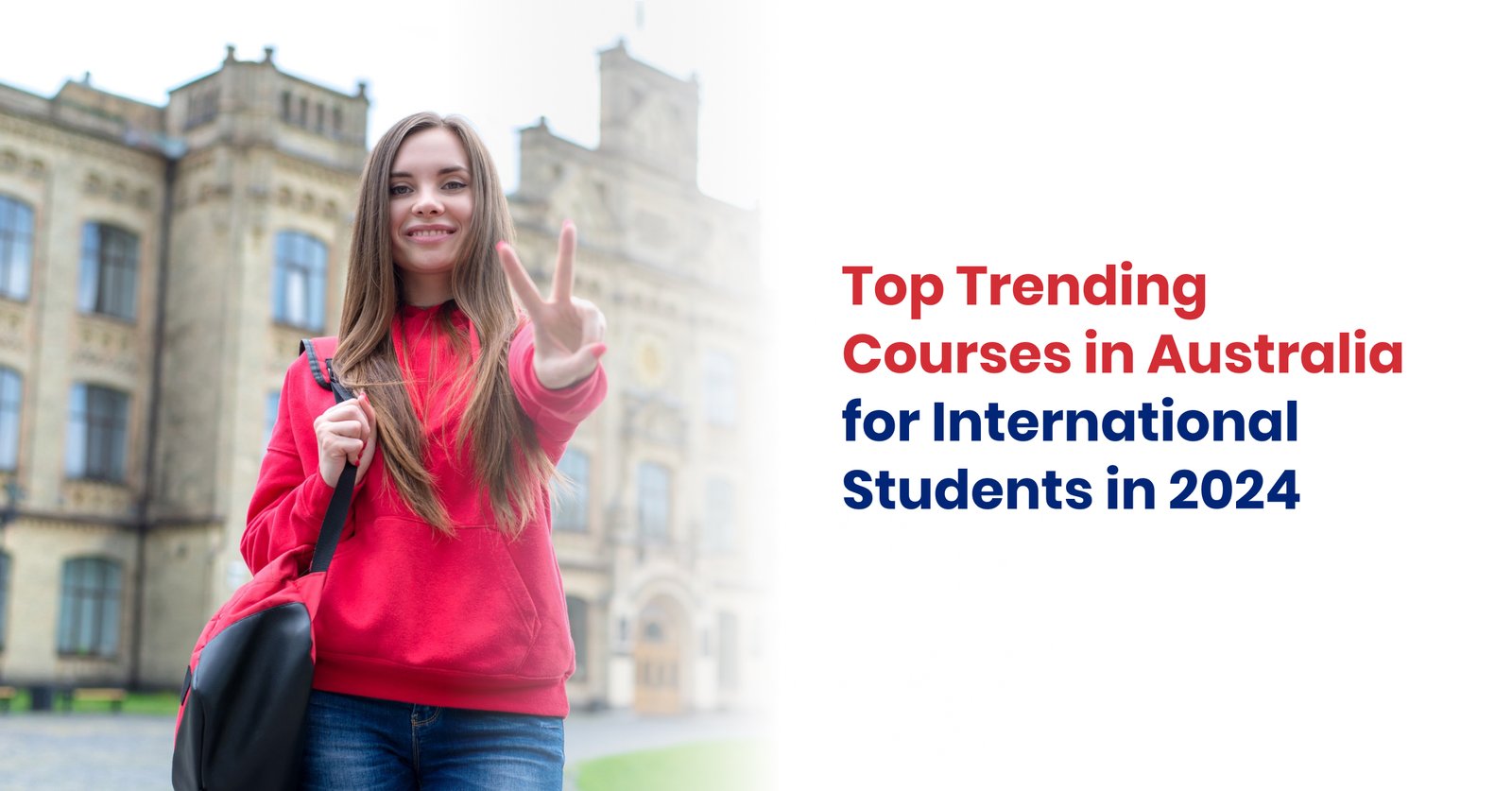
Top Trending Courses in Australia for International Students in 2024

Top Trending Courses in Australia for International Students in 2024

Top Trending Courses in Australia for International Students in 2024

Australia is renowned for its high-quality education system and diverse study opportunities, making it a top destination for students from around the globe. With excellent universities and vibrant multicultural cities, Australia provides an enriching educational and life experience. For international students planning their studies in 2024, it is crucial to know which courses are trending. Here, A Class Immigration and Education Consultants provide insights into the top trending courses in Australia that promise exciting career opportunities and a transformative educational experience.

Why Study in Australia?

Choosing Australia for your higher education offers numerous benefits:

  • Global recognition: Degrees from Australian institutions are recognised worldwide, enhancing job prospects.
  • Cultural diversity: Students enjoy a multicultural environment and exposure to various cultures and perspectives.
  • Quality of life: Australia consistently ranks high in livability indexes, with great healthcare, safety, and community engagement.

Top Trending Courses in Australia for International Students

1. Information Technology and Cybersecurity

In the digital age, demand for skilled professionals in IT and cybersecurity is skyrocketing. Australian universities offer advanced programs focusing on cybersecurity, cloud computing, and data management. These courses prepare students to protect organisations against cyber threats and manage critical IT infrastructures.

2. Biomedical Engineering

As technology advances, the integration of engineering with biological sciences is crucial in developing revolutionary medical technologies. Biomedical engineering courses in Australia cover medical device design, biomaterials, and bioinformatics.

3. Environmental Science and Sustainability

With a global push towards sustainability, careers in environmental science are becoming increasingly important. Australian courses focus on climate change, sustainable development, and environmental management, equipping students to tackle pressing environmental challenges.

4. Artificial Intelligence and Robotics

The fields of AI and robotics are transforming industries worldwide. Australian universities offer courses that blend theory with practical applications in machine learning, automation, and intelligent system design.

5. Business Analytics and Data Science

Data-driven decision-making is key in business today. Courses in business analytics and data science teach students to analyse complex datasets and provide insights that drive business strategies. Programs typically include training in statistical software, predictive analytics, and data visualisation.

6. Healthcare and Public Health

Amid global health challenges, the demand for skilled healthcare and public health professionals is more critical than ever. Courses in this field in Australia cover global health, epidemiology, and healthcare policy, preparing students to improve health outcomes globally.

7. Tourism and Hospitality Management

Australia’s robust tourism sector offers ample opportunities for students trained in hospitality management. These courses teach strategic management, marketing, and operational skills essential for success in this dynamic industry.

8. Education and Teaching

With a focus on innovation in pedagogy, courses in education and teaching prepare students to meet the needs of diverse learners. These programs often include practical teaching experience, which is vital for those pursuing a career in education.

Choosing the Right Course

When selecting a course, consider the following:

  • Career prospects: Look for fields with strong job growth.
  • Interest and skills: Choose a course that aligns with your interests and strengths.
  • Quality of program: Research the faculty, curriculum, and resources offered by the university.

FAQs

What are the general requirements for studying in Australia?

International students typically need to meet academic requirements, provide proof of English language proficiency, and obtain a student visa.

How much does it cost to study these courses in Australia?

Costs vary widely depending on the university and course. Generally, STEM and medical fields may be more expensive than arts or social sciences.

Can I work while studying in Australia?

Yes, international students can work up to 40 hours per fortnight during the semester and full-time during semester breaks, which helps offset living costs.

Tips for Success

  • Prepare early: Start the application process early to meet all deadlines.
  • Seek scholarships: Many scholarships are available for international students in Australia.
  • Engage locally: Participate in university and community activities to enrich your experience.

Studying in Australia can be a life-changing experience, offering world-class education and the opportunity to grow personally and professionally. The top trending courses in 2024 reflect the changing global landscape and Australia’s commitment to providing cutting-edge education. For personalised advice and support in your educational journey, contact A Class Immigration and Education Consultants, your trusted partner in navigating the complexities of studying abroad.

Embarking on your study journey in Australia not only shapes your career but also prepares you to be a global citizen in an interconnected world. Make the most of this opportunity with the right preparation and guidance from experts in the field.

Book your appointment with A Class Immigration and Education Consultants today and get tailored guidance for your study plans in Australia.

The Advantages of Pursuing Trade Qualifications in Australia

The Advantages of Pursuing Trade Qualifications in Australia

Trade Qualification in Australia

Australia, known for its robust economy and vibrant culture, is increasingly becoming a magnet for individuals seeking better educational and professional opportunities. Among various educational paths, trade qualifications emerge as a compelling choice, especially for immigrants aiming to establish a prosperous future in Australia. This blog explores the key benefits of pursuing trade qualifications, how they open doors to permanent residency, and why they are a smart investment for a stable career.

Benefits of Studying a Trade Qualification in Australia

1. Streamlined Path to Permanent Residency

Trade qualifications can significantly simplify the pathway to obtaining permanent residency (PR) in Australia. The Australian government actively seeks skilled workers to fill labor shortages, particularly in trades. By earning a trade qualification, you become a desirable candidate for PR, aligning your skills with Australia's workforce demands.

2. Cost-Effectiveness

Compared to traditional university degrees, trade qualifications are far more affordable. Most trade courses range between 12 to 24 months and cost around 7,000 AUD to 25,000 AUD. This makes them a budget-friendly yet highly rewarding pathway for students seeking practical education with strong career prospects.

3. Shorter Duration of Study

Trade programs typically take only two years to complete, much shorter than a standard university degree. With hands-on vocational training and real-world experience, students gain the skills and credentials needed to enter the job market faster and start earning sooner.

4. Higher Earning Potential

Graduates with trade qualifications often enjoy strong earning potential due to high demand in their professions. Skilled tradespeople can earn between 40,000 AUD and 60,000 AUD annually, often surpassing starting salaries in other professional sectors that require longer study periods.

5. Opportunities for Employer Sponsorship

Australia’s ongoing shortage of skilled tradespeople has encouraged many employers to offer sponsorship opportunities. Some employers may cover tuition costs or provide guaranteed employment upon course completion, offering a secure and rewarding path into the workforce.

6. Entrepreneurial Opportunities

The Australian trade industry offers excellent opportunities for entrepreneurship. With skill shortages and high service demand, trade professionals can establish their own businesses with less competition, creating independent and financially rewarding careers.

Highlighted Trade Qualification Courses

Some of the most in-demand trade courses in Australia include:

  • Bricklaying
  • Carpentry
  • Early Childhood Education
  • Plumbing
  • Electrical Engineering
  • Automotive Technology
  • Commercial Cookery

Why Choose Trade Qualifications in Australia?

Pursuing a trade qualification in Australia is not just about obtaining a certificate - it is about building a secure and sustainable career. Trade education offers a balance of affordability, fast entry into the workforce, and strong PR prospects. The combination of financial benefits, practical learning, and high employability makes it one of the most rewarding pathways for international students and skilled migrants.

Start Your Journey with A Class Immigration and Education Consultants

Ready to unlock your potential and start a fulfilling career in Australia? A Class Immigration and Education Consultants can guide you every step of the way - from choosing the right trade course to managing your visa application. Our experienced advisors provide personalised support to help you achieve your goals in Australia.

Book your consultation with A Class Immigration and Education Consultants today and take the first step toward a successful and stable future in Australia.

Unlocking the Path to Love: Navigating Partner Visa Requirements in 2024

Unlocking the Path to Love Navigating Partner Visa Requirements in 2024

Partner Visa Requirements in 2024

Applying for a partner visa can be a complex process requiring substantial proof of a genuine and ongoing relationship. Whether you are married or in a de facto partnership, understanding the evidence you need to gather and present is crucial. This guide provides an in-depth look at how to meet the Department of Home Affairs' criteria and successfully navigate the partner visa application process.

Do I Meet the Requirements to Apply for a Partner Visa?

To qualify for a partner visa, applicants must fulfill either the de facto or spousal requirements. Married applicants fall under the spousal category, whereas those who are unmarried but in a committed relationship are considered de facto partners.

However, simply being in a relationship is not enough. Applicants must convincingly demonstrate their partnership through concrete evidence, satisfying the immigration authorities that the relationship is genuine and continuing.

Demonstrating a Genuine Relationship

The cornerstone of a partner visa application is proving the legitimacy of your relationship. Immigration authorities focus on objective and verifiable evidence that your relationship is both genuine and ongoing. The evaluation generally revolves around four main aspects:

  • Household
  • Social
  • Financial
  • Commitment

Each of these factors plays a vital role in the assessment process. While there is no fixed checklist, having strong supporting documents in each category significantly improves your chances of success.

Household

Co-habitation is usually expected. Evidence can include lease agreements, property ownership documents, shared utility bills, or correspondence addressed to both partners at the same address. It is generally advisable for couples to live together for at least 12 months, though exceptions apply to those who are married or have registered their relationship officially.

Financial

Shared financial responsibilities show commitment and partnership. Provide evidence such as joint bank accounts, shared expenses, or regular financial transfers between partners. Proof of shared assets or liabilities also supports your case.

Social

Demonstrating your relationship in social settings helps validate its authenticity. Submit photos together, social media posts, travel itineraries, event tickets, or invitations showing you as a couple. Additionally, statements from friends and family can provide valuable third-party confirmation of your relationship.

Commitment

Long-term intent can be demonstrated through marriage, registered relationships, joint insurance policies, naming each other as beneficiaries in wills or superannuation funds, and other legal or personal commitments.

Common Challenges and How to Overcome Them

Not all couples will have equal evidence in every category, especially financial. However, a lack of one form of proof can often be balanced by stronger evidence in another. The key is to present a comprehensive and consistent narrative of your relationship. Emphasize your strongest points and ensure all information aligns across documents and forms.

Why Choose A Class Immigration and Education Consultants?

At A Class Immigration and Education Consultants, our experienced team understands the complexities of partner visa applications and the nuances of immigration law. We provide tailored guidance to help you prepare a strong, well-documented case that accurately reflects your relationship.

Applying for a partner visa is a detailed process that demands accuracy, honesty, and attention to detail. With our expert support, you can confidently assemble your application and improve your chances of approval.

Contact A Class Immigration and Education Consultants today for personalized assistance with your partner visa application. Let our team guide you every step of the way toward reuniting with your loved one in Australia.